


Have you ever thought about where technology meets privacy in our digital lives? As tools like image synthesis get better, it’s key to know their impact.
This AI DeepNude review looks at synthetic media in 2026. We dive into the platform’s main features, safety steps, and critical ethical thoughts that shape its use today.
If you’re a researcher or pro, our review helps you see if this software fits your needs. By the end, you’ll understand how it works and the duties that come with it.
Key Takeaways
- Understand the current state of image synthesis technology in 2026.
- Evaluate the technical features and output quality of the platform.
- Analyze the safety and security measures implemented by the developers.
- Explore the complex ethical landscape surrounding synthetic media tools.
- Determine if the software aligns with your professional or research needs.
Understanding the Evolution of AI Image Synthesis
Generating realistic images today is much different than it was a few years ago. The fast growth of generative models has changed how we use digital media. This progress is not just about speed; it’s a big change in how machines understand and make images.
The Shift from Early Algorithms to Modern Neural Networks
At first, making images was based on simple rules. These systems were not very good at making stiff or unnatural images. It was easy to see their limits.
Now, deep learning architectures have taken over. These systems learn from huge amounts of data. They can understand things like skin texture and lighting. This lets them make images that were once thought impossible.
How 2026 Technology Differs from Previous Iterations
The tech in 2026 is a huge step up in photorealism and processing efficiency. Old versions often got anatomy wrong, making features look distorted or blurry. Now, advanced hardware lets us make images with amazing detail.
This new tech needs more powerful computers than before. You need special hardware to handle the complex math needed for clear images. Also, this new power means we need to be careful about how we use it in the digital world.
Preparing Your System for AI DeepNude Tools
Getting your system ready for AI tools is key. Running these tools on your own machine means you have complete control over your data. This also keeps your privacy safe. Making sure your system is ready helps avoid crashes and makes it handle complex tasks well.
Hardware Requirements for Local Processing
Your Graphics Processing Unit (GPU) is crucial for AI work. Look for GPUs with lots of VRAM. This memory is where models and temporary data are stored during processing. For basic tasks, 8GB of VRAM is a good start. But for better results, aim for 12GB or more.
Your CPU also plays a big role. It helps manage data flow and background tasks. Make sure you have at least 16GB of system RAM. A fast NVMe SSD is also a must to speed up loading times for big model files.
Software Dependencies and Environment Setup
Choosing the right software environment is as important as your hardware. Most AI tools use Python-based frameworks that need specific versions. You’ll also need the latest NVIDIA CUDA toolkit for your GPU.
Managing these dependencies can be tricky. Using virtual environments helps avoid conflicts with other apps. Keeping your graphics drivers up to date is essential for working with the latest AI libraries. Once everything is set up, you can run your tasks smoothly and reliably.
Comprehensive AI DeepNude Review and Technical Assessment
An AI DeepNude review shows it’s more than a filter. It’s a set of tools for creating images and short videos. This deepnude ai assessment looks at how it changes media with great detail.
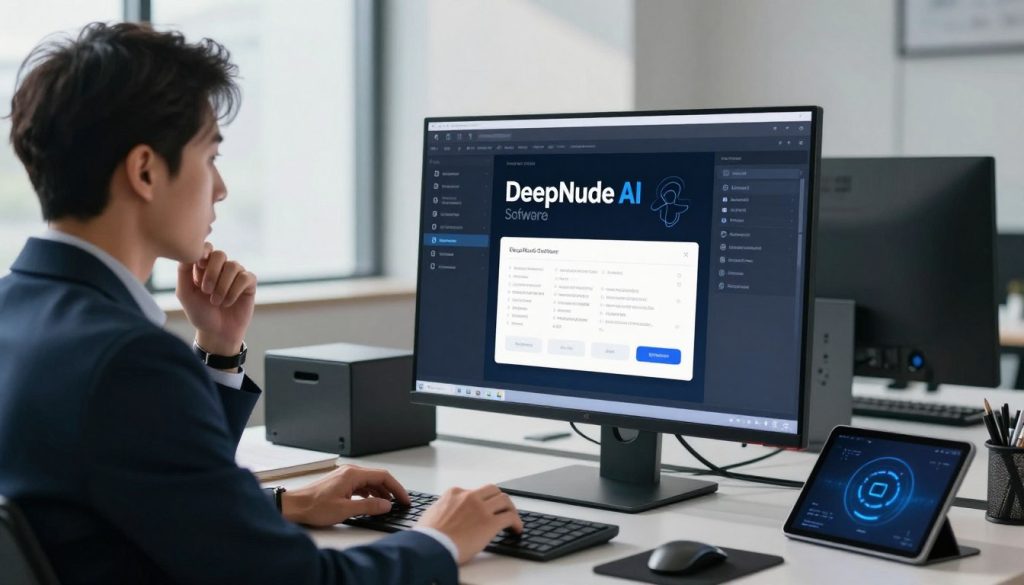
Core Features and Processing Capabilities
The software uses advanced neural networks to work with visual data. It’s designed for high-fidelity output, making sure textures and body shapes are right. It can handle still images and short videos by breaking them down for the GPU to process.
“The true power of modern generative AI lies not just in the final image, but in the granular control the user maintains over the synthesis process.”
Let’s look at how the tools work in different situations. Here’s a breakdown of the processing modes in the latest software version:
| Processing Mode | Resource Intensity | Output Quality | Target Use Case |
|---|---|---|---|
| Fast Draft | Low | Moderate | Quick Previews |
| Balanced | Medium | High | Standard Projects |
| Ultra Fidelity | High | Professional | Final Rendering |
User Interface and Accessibility Analysis
A good deepnude ai assessment looks at the interface too. The developers made it easy to use while still offering professional features. You can adjust settings without getting lost in the technical details.
The software is also easy to use. It has clear controls for resolution, upscaling, and texture. This AI DeepNude review shows it makes complex tech easy for everyone.
Step-by-Step Guide to Installing AI Generation Software
Installing advanced image generation software needs attention to detail. A clean installation is key to avoid setup mistakes. By following a structured workflow, your system stays stable and ready for demanding tasks.
Downloading Verified Source Files
Get your software files from official repositories or trusted developer channels. Downloading from untrusted sources can harm your system. Always check the files’ integrity with checksums provided by the developers.
Extract the files to a dedicated directory on your local drive. Use simple paths without spaces or special characters. This makes setup easier and saves time.
Executing Installation Scripts
Most AI tools use automated scripts for setup. You’ll find a batch file or shell script to create the virtual environment. Run these scripts with admin privileges if needed.
Watch the terminal output while the script runs. It downloads big model files and dependencies. If it stalls, wait for it to finish its network requests.
Verifying Dependencies and Path Configuration
After setup, check if all dependencies are linked correctly. The software needs specific libraries for hardware communication, especially the graphics card. Make sure the system path points to the right tools.
If you face errors, update your CUDA or ROCm drivers to the latest versions. A correct setup lets the software detect your GPU automatically. Once paths are verified, your system is ready for image generation.
Configuring Settings for Optimal Image Quality
Improving your AI image quality starts with tweaking settings. Finding the right balance between technical details and creative vision is key. Adjusting software controls helps ensure your images look realistic and detailed.
Adjusting Resolution and Upscaling Parameters
Modern tools offer real-time previews to see changes instantly. Start by setting the base resolution to match your source material. Be careful not to increase the resolution too much, as it can cause artifacts.
Upscaling adds clarity to your images. With intelligent upscaling, the software fills in missing details. Make sure the upscaling factor matches the original image quality to avoid distortion.
Selecting Appropriate Models for Skin Texture
Choosing the right model is crucial for realistic skin textures. Different models are trained on various datasets, affecting the final look. Experiment with different models to find the best match for your images.
“The secret to true realism in AI generation lies not in the raw power of the hardware, but in the careful selection of models that prioritize organic texture over synthetic smoothness.”
Look for models that handle lighting transitions well. A good model will keep the natural depth of the subject. If the image looks too smooth, try a model with more detail.
Managing VRAM Usage for Faster Rendering
Rendering speed depends on your GPU’s VRAM. If you face errors or slow rendering, optimize your memory. Lowering the batch size or resolution can help.
The following table shows how different settings affect performance and quality:
| Setting | Performance Impact | Visual Quality |
|---|---|---|
| High Resolution | Heavy VRAM usage | Maximum detail |
| Low Batch Size | Faster rendering | Consistent output |
| Advanced Upscaling | Moderate VRAM usage | Enhanced sharpness |
| Real-time Preview | Low impact | Better control |
Keep an eye on VRAM usage to avoid crashes. Efficient resource management lets you work faster. Always clear your cache between sessions for the best performance.
Executing the Generation Process Safely
Keeping your personal data safe is crucial. When you create images locally, you’re in charge of security. By following a set process, you can reduce risks and control your digital stuff.

Uploading Source Images for Processing
First, make sure your source images are in a secure folder on your computer. Don’t use cloud-synced folders like OneDrive or Google Drive. Always check the file format and resolution for compatibility.
Keep your source images separate from your computer’s files. This helps avoid data leaks and makes data management easier. Choose clean, high-quality images for the best results.
Managing Privacy During Local Generation
Local generation keeps your data on your device. To stay safe, disconnect from the internet while using the software. This blocks data leaks and unauthorized access.
Using a virtual machine or sandboxed environment adds extra security. It isolates the software from your main system. Keeping a secure workflow is key to protecting your privacy.
Handling Output Files and Storage Management
After generating images, organize your files well. Use a clear directory structure to avoid mess. Move finished work to an encrypted external drive to keep your main drive fast.
Don’t leave sensitive files in temporary folders. Most software creates logs and temporary files that can fill up fast. Regularly clean these folders to keep your system running smoothly and securely.
| Storage Strategy | Security Level | Performance Impact |
|---|---|---|
| Cloud Sync Folders | Low | High |
| Local SSD Storage | Medium | Low |
| Encrypted External Drive | High | Medium |
Analyzing Output Quality and Realism in 2026
A deepnude ai assessment shows both great progress and ongoing issues. It’s key to know the difference between good synthesis and errors. You need to look at both technical details and how well the visuals match.
Assessing Anatomical Accuracy and Lighting
Modern models have improved a lot in showing human bodies. Look for natural skin textures and clear muscle shapes. But, lighting is still a big challenge.
Make sure the light in the image fits the scene. If shadows don’t match the light, it looks fake. Good lighting is crucial for a realistic image.
Identifying Common Artifacts and Distortions
Even with 2026 tech, you’ll still see some problems. Look out for blending seams where the AI didn’t mix the skin right. These seams can look like jagged lines or color issues.
In videos, watch for temporal flicker. This makes pixels move in a way that’s distracting. Spotting these issues is key to a good deepnude ai assessment.
Comparing AI Results Against Human Expectations
Be realistic when using these tools. The tech is strong, but it can’t perfectly mimic human skin’s imperfections. The output might seem too perfect or lack depth.
The difference between AI and human vision is called the uncanny valley. As you assess deepnude ai, you’ll see it’s good at big shapes but struggles with details. Knowing these limits helps you use the software better and understand its current abilities.
Evaluating the Pros and Cons of AI Pornography Tools
Understanding the ai porn pros cons is key when using generative media. These tools offer great creative power but also face technical challenges. It’s important to weigh these aspects for responsible use.
Advantages of Modern AI Generation
Today’s software is fast and easy to use. It can create detailed images quickly, saving time and money. Also, it has provenance and moderation tools to keep content safe.
These tools help ensure content is regulated and safe. They track where files come from, helping developers keep things in check. This focus on accountability is good for those who value ethical standards.
Significant Limitations and Technical Drawbacks
But, there are limits to these tools. They can’t always get complex details right, leading to noticeable flaws. Also, they need powerful computers to work well.
There are also worries about how these tools might be misused. The issue of consent is a big concern. Knowing the ai porn pros cons helps keep the online space safe and legal.
| Feature Category | Primary Benefit | Technical Challenge |
|---|---|---|
| Processing Speed | Rapid output generation | High VRAM consumption |
| Content Control | Built-in moderation tools | Anatomical inaccuracies |
| System Security | Provenance tracking | Hardware compatibility |
Navigating Ethical Boundaries and Legal Risks
Before you start using AI tools, you need to understand the legal responsibilities. Many users consider the ai porn pros cons. But, the tech’s abilities don’t change the rights of others. It’s crucial to follow ethical rules to keep the digital world safe.
Understanding Consent and Digital Rights
Consent is key in digital ethics. Never use someone’s image without their clear permission. Digital autonomy means people have the right to control their image use, especially in synthetic media.
When looking at the ai porn pros cons, remember the risks are often greater than the benefits. Respecting personal boundaries is vital. This ensures your creativity doesn’t harm others. Always put the privacy and rights of real people first.
Legal Implications of Non-Consensual Content
In many places, making sexually explicit synthetic images without consent is against the law. Law enforcement is cracking down on non-consensual deepfakes. Doing this can lead to serious problems, including:
- Criminal charges and possible jail time.
- Civil lawsuits for defamation or privacy invasion.
- Damage to your reputation.
- Financial losses and legal costs.
Best Practices for Responsible Usage
To stay legal, follow strict guidelines. These steps help you explore AI safely:
- Verify Consent: Only use images with clear, written permission.
- Maintain Privacy: Keep your files safe and avoid public sharing.
- Stay Informed: Check local laws on synthetic media to follow them.
- Prioritize Ethics: If unsure about a project, don’t do it.
Using AI responsibly means sticking to ethical standards. The ai porn pros cons debate is ongoing. But, your integrity is the most important thing when using these tools.
Troubleshooting Common Errors and Performance Issues
Working with complex generative AI tools can lead to technical glitches. Even with a well-set-up system, you might still face unexpected problems. A thorough deepnude ai assessment can help figure out if the issue is with your hardware or software.
Resolving CUDA and GPU Compatibility Errors
Most rendering issues come from outdated drivers or library mismatches. If your software can’t find your graphics card, check your NVIDIA drivers. Make sure they’re updated to the latest version that works with your CUDA toolkit. Compatibility is the foundation of performance, so ensure your environment variables are correct.
If problems continue, try reinstalling the CUDA runtime libraries your software needs. A fresh install can fix conflicts from having different library versions on your system. Always restart your machine after updating drivers to make sure everything works right.
Fixing Failed Generation Cycles
Failed cycles often happen when your system runs out of VRAM during rendering. This can cause the software to crash or show a blank output. To avoid this, close memory-hungry apps like web browsers or video editors.
If the issue keeps happening, check your log files for error codes. These logs give a detailed deepnude ai assessment of what went wrong. Sometimes, just reducing the batch size or lowering the output resolution can help the generation complete.
Optimizing Software for Low-End Hardware
Running high-performance AI tools on modest hardware needs careful resource management. While native desktop clients offer more control, they can be tough on older systems. Focus on settings that reduce the load, like disabling high-fidelity upscaling or using lighter model weights.
When looking at the ai porn pros cons of local versus cloud processing, remember local generation offers privacy but uses more from your hardware. If your local machine can’t handle it, try a web editor that uses remote servers. This way, you can enjoy AI generation without needing a high-end graphics card. Knowing these ai porn pros cons helps you pick the best option for your tech setup.
Conclusion
The world of digital content creation is changing fast. Neural networks are now easier for everyone to use. This AI DeepNude review shows that making high-quality images is possible, but it’s a big responsibility.
You must use these tools wisely. Always respect digital rights and privacy in your work. This way, your creativity can be positive, not negative.
It’s important to stay up-to-date with new tech. This review aims to help you use the latest tools legally. Be open about your work to keep trust in the digital world.
Use these technologies with care and respect. Your actions shape the future of AI. Keep learning and always remember to prioritize safety and consent.
FAQ
How has the technology behind these tools evolved in this AI DeepNude review for 2026?
The tech has moved from simple algorithms to advanced neural networks. Today, tools like Stable Diffusion XL and custom checkpoints create detailed images. They do a better job than before, especially with body shapes and lighting.
What are the minimum hardware requirements for a successful deepnude ai assessment?
You need a strong NVIDIA GPU, like an RTX 3080 or better. This is because these tools use a lot of VRAM. At least 12GB to 16GB of VRAM is needed for smooth work and fast rendering.
Which software dependencies do I need to install for local processing?
You’ll need Python, Git, and the latest NVIDIA CUDA Toolkit. These help your hardware work with the scripts. Setting up paths and environments correctly is key to avoiding errors.
How can I optimize image quality while managing limited VRAM?
To get more detail, adjust the resolution and use R-ESRGAN. Choose models for high-quality skin and use tiled VAE to avoid memory issues.
What are the primary ai porn pros cons regarding technical output?
The good points include realistic images and fast generation. But, there are downsides like high costs, a steep learning curve, and sometimes, images don’t look quite right.
Is it possible to run these tools on low-end hardware?
Yes, but it’s not ideal. Use xformers or lower sampling steps for lower-end GPUs. But, expect longer wait times and lower resolution images.
What are the legal and ethical risks associated with AI synthesis software?
Creating content without consent is illegal and unethical. Always follow consent rules and understand the moderation features in these tools.
How do I troubleshoot common CUDA or GPU compatibility errors?
First, update your NVIDIA drivers. Make sure PyTorch matches your CUDA version. Check console logs for memory or pathing issues.
How does the user interface impact the accessibility of these professional tools?
Modern interfaces, like Automatic1111 or Forge, make these tools easier to use. They let you control the image quality and generative parameters easily.