
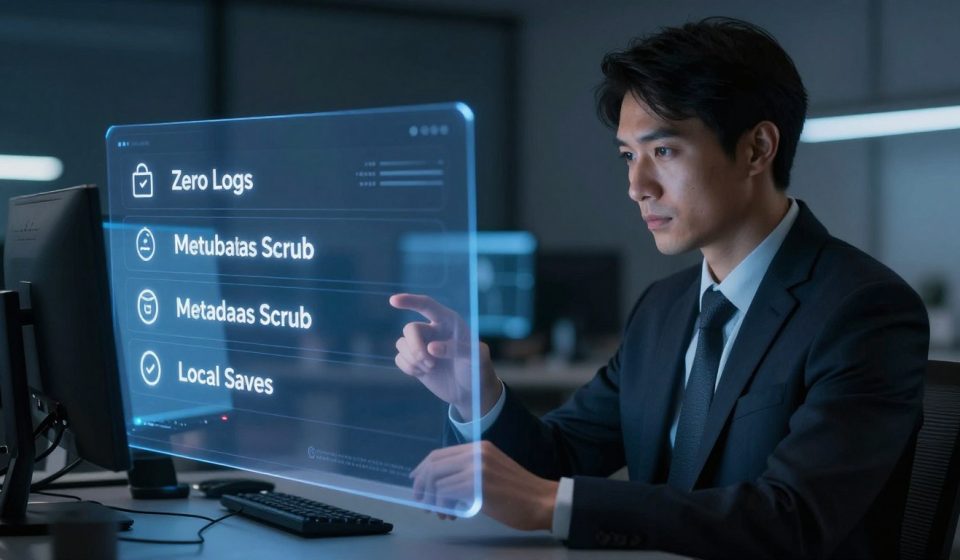

Ever thought about who might see your digital trail when using image tools? In today’s world, non-consensual imagery is a big risk to your safety. It’s crucial to know how to protect your data.
Modern software makes keeping your digital life private a big deal. You need to make sure your creative work stays strictly confidential. This means keeping it safe from unwanted eyes.
Learning the right ai nude privacy settings helps you remove metadata and stop logs from tracking you. This guide shows you how to keep your saved images safe. It also helps protect your identity from unauthorized access.
Key Takeaways
- Enable zero-log policies to prevent server-side data retention.
- Always perform a full metadata scrub before exporting generated files.
- Prioritize local storage over cloud-based solutions to maintain total control.
- Use encryption to secure your local image directories.
- Regularly audit your configuration to ensure maximum digital safety.
Understanding the Importance of AI Nude Privacy Settings
Exploring AI-generated imagery means keeping your privacy first. Setting up strong ai nude privacy settings is key to keeping your work private. By controlling your software, you avoid sharing your personal info.
Why Anonymity Matters in AI Image Generation
Anonymity protects you from digital snooping and data leaks. When making sensitive images, you want your identity to be completely hidden. Keeping your privacy tight stops others from tracking your likes and dislikes.
The Risks of Cloud-Based Processing
Most AI tools use cloud servers for big tasks. This means you send your data to a distant place. But, this makes your data vulnerable to hackers and unwanted viewers.
Defining Zero-Log Policies and Local Processing
Choose software with zero-log policies and local processing. Zero-log means no records of your activity. Local processing keeps your data safe on your device. This makes ai nude privacy settings crucial for your online safety.
Configuring Local Save Directories for Maximum Security
Keeping your data safe is key for a private ai nude workflow. Where you save your files on your hard drive matters a lot. By keeping your files separate, you lower the chance of others seeing them by mistake.
Setting Up Encrypted Storage Volumes
Creating an encrypted container is the best way to protect your files. Tools like VeraCrypt or BitLocker help you make a virtual disk that only opens with the right password. This keeps your files safe even if someone takes your computer.
After setting up this volume, it works like any other drive. Make sure your software saves files directly to this encrypted space. This adds a strong layer of protection for your private ai nude work.
Avoiding Default System Folders
Many people save files in places like “Downloads,” “Pictures,” or “Documents.” But these folders can be indexed by cloud services and system tools. Saving sensitive files here can lead to them being synced to the cloud without your permission.
Create a special folder on a separate partition or encrypted volume instead. This keeps your work safe from being scanned or uploaded by automated software. It’s a key part of keeping your private ai nude space secure.
Managing File Permissions on Windows and macOS
It’s crucial to control who can see or change your files. On Windows, right-click a folder, choose “Properties,” and go to the “Security” tab. Here, you can limit access to your files, even for other users with admin rights.
On macOS, use the “Get Info” window to set sharing and permissions. Make sure your account has “Read & Write” access, but set “Everyone” to “No Access.” This fine-tuned control keeps your data safe and private.
| Security Method | Primary Benefit | Ease of Use | Best For |
|---|---|---|---|
| Encrypted Volumes | Total Data Privacy | Moderate | Sensitive Projects |
| Custom Directories | Prevents Cloud Sync | High | General Organization |
| File Permissions | Restricts User Access | High | Multi-user Systems |
Implementing Metadata Scrubbing Protocols
Keeping your digital footprint private is key when you want to stay anonymous with private ai nude content. Even local image processing can leave hidden data that shows where you are or what device you use. Ignoring these details can lead to accidentally sharing your personal info.
Understanding EXIF Data and Geotags
Every digital image file has metadata called EXIF data. This includes camera settings, when it was taken, and GPS coordinates. Sharing or storing these files without cleaning them can leave a digital trail.
Also, modern tech like Google’s SynthID adds hidden watermarks to AI content. This shows why you must know what’s hidden in your files. Every image can be a source of identifiable information that needs to be cleaned.
| Metadata Type | Privacy Risk Level | Data Contained |
|---|---|---|
| Geotags | Critical | Exact GPS Location |
| Device ID | High | Hardware Serial/Model |
| Timestamp | Medium | Date and Time of Creation |
Automated Tools for Stripping Image Metadata
You don’t need to be tech-savvy to remove sensitive data. Many automated tools can quickly remove EXIF data from images. These tools help keep your private ai nude collection safe from hidden trackers.
Tools like ExifTool are great for removing metadata from folders. Adding these tools to your workflow helps protect your private ai nude content. Always choose software that works offline for better security.
Verifying Clean Files Before Sharing or Storage
Before storing your images, check if the metadata removal worked. Right-clicking a file and checking its properties can show if metadata is left. Taking this extra moment ensures your files are completely clean.
Don’t assume a file is clean just because you ran a script. A quick manual check gives you peace of mind. Once you confirm the metadata is gone, you can safely store your work without worry.
Enabling Safe Mode and Privacy Filters
Keeping your deepnude anonymous status is crucial. You need to set up strong security in your software. This way, you can stop it from sharing your data with others. It’s key for anyone who values their privacy.
Activating AI DeepNude Safe Mode Features
The AI DeepNude safe mode is your first line of defense. It stops the software from connecting to the internet without permission. This keeps your data safe from being shared without your consent.
Make sure this mode is on before you start using the software. Consistency is key for keeping your privacy. Once it’s on, the software works only for your local security, not for cloud services.
Restricting Network Access for Offline Operation
To keep your work private, cut off the software’s internet access. You can do this by turning off your internet or using special network adapters. This makes sure your work stays deepnude anonymous, even if the software has bugs.
Working offline means you can’t accidentally send data. It’s a simple way to keep your files safe. Always check your internet connection before using the program to make sure your AI DeepNude safe mode is working.
Configuring Firewall Rules to Block Telemetry
Even offline, some software might try to send data when you connect again. To stop this, set up your firewall to block all outgoing traffic from the software. This keeps it from sending logs or usage data to the internet.
| Security Feature | Primary Benefit | Risk Mitigation |
|---|---|---|
| Safe Mode | Prevents Server Sync | High |
| Offline Mode | Total Isolation | Critical |
| Firewall Rules | Blocks Telemetry | Medium |
By setting up a specific rule in your firewall, you control your data flow. This proactive approach keeps your privacy safe, even if the software tries to send data in the background. These steps help protect you from data leaks.
Managing Zero Logs and Session History
To keep your experience deepnude anonymous, you need to delete temporary files and system logs. Even when using software locally, your computer might store hidden data. This could risk your privacy. It’s crucial to manage these digital traces to keep your sessions secure.
Clearing Cache and Temporary Processing Files
Applications create temporary files to speed up performance. But these files might hold parts of your processed images. After each use, go to your app’s “temp” or “cache” folder. Deleting these files manually ensures no data is left on your hard drive for others to find.
For an easier way, use a script to clear these folders when you close the app. This habit stops sensitive data from building up over time. Make sure to empty your system’s recycle bin to confirm the files are gone.
Disabling Usage Analytics and Error Reporting
Many apps track how you use them through telemetry features. These tools send data to developers, which could reveal your activities. Look for settings to disable “Send Usage Data” or “Automatic Error Reporting.”
Turning off these features keeps your deepnude anonymous status by stopping data from being sent out. If the app doesn’t have a toggle, check its configuration files. Set telemetry values to “false” or “0” to stop the app from sending data.
Verifying Log Deletion After Each Session
Checking your log files regularly helps keep your privacy. Logs can show when and what you did. Look for text files in the app’s root directory to see if they’re empty.
The table below shows what to check to keep your privacy safe:
| Privacy Area | Action Required | Frequency |
|---|---|---|
| Temporary Cache | Manual Deletion | After every session |
| Usage Analytics | Disable in Settings | One-time setup |
| System Logs | Verify and Clear | Weekly audit |
| Error Reports | Disable Telemetry | One-time setup |
Best Practices for Anonymous AI DeepNude Usage
To keep your creative projects safe, keep your main system away from your tools. True anonymity needs a layered approach, not just software settings. These steps help keep your private ai nude work secret and safe.
Using Virtual Machines for Isolated Environments
A virtual machine (VM) is like a safe box for your software. It keeps your main system safe by not letting it touch your files or system. This way, your private ai nude work stays private and your system stays safe.
Setting up VirtualBox or VMware is easy. They let you run a clean version of your OS. Your work stays in this virtual space, and you can delete it all when you’re done.
Leveraging VPNs to Mask IP Addresses
Your IP address can show where you are and who you are. A good VPN hides your connection, keeping your private ai nude work secret. It encrypts your internet, so your service provider can’t see what you’re doing.
Choose a VPN that doesn’t keep logs. This means your online history is safe. By using a VPN, you hide where you’re coming from, adding a layer of protection.
Maintaining Digital Hygiene During Image Generation
Digital hygiene means keeping your online life clean and safe. Use separate accounts and folders for sensitive work. This way, your private ai nude content stays on your device.
Clear your browser cache and system files often. This stops leaks that could harm your privacy. Don’t share your work on public sites, as they can change your files and reveal your habits. Stay careful and in control of your digital life.
Troubleshooting Common Privacy Configuration Issues
Keeping your deepnude anonymous workflow smooth can be tricky. System conflicts might mess with your privacy tools. Patience and a systematic approach are key when these problems pop up.
Resolving Permission Errors in Local Directories
Permission errors happen when software can’t write to your chosen folder. Make sure your account has full access to the folder. If images won’t save, check your system’s security settings.
On Windows, right-click the folder and choose properties to change security settings. For macOS, check your System Settings for disk access permissions. Granting explicit access usually fixes these issues quickly.
Handling Metadata Scrubbing Failures
Metadata scrubbing tools might struggle with certain file formats or corrupted data. If tags stay after processing, try converting images to PNG or JPEG first. This often removes hidden data that tools might miss.
“Security is not a product, but a process.”
If problems continue, update your scrubbing tool to the latest version. Outdated software can’t handle new metadata in modern photos. Keeping your tools up-to-date is crucial for a deepnude anonymous environment.
Restoring Default Settings Without Compromising Security
At times, fixing a configuration error manually is too hard. You might need to reset your settings to default. Most privacy apps have a reset option that keeps your security settings safe.
Always back up your current settings before resetting. This way, you can compare settings later to find the problem. Safe restoration helps you get back to normal without risking your data.
Advanced Security Measures for Power Users
Working with models like Nano Banana Pro means security is key. Standard AI DeepNude safe mode settings are good, but power users need more. These steps keep your data safe from threats.
Utilizing RAM Disks for Volatile Storage
A RAM disk uses your computer’s memory as a virtual drive. It’s volatile, so data is erased when you turn off your computer. This method keeps your work off your hard drive after you’re done.
Implementing Full Disk Encryption
Full disk encryption protects your data when your computer is turned off. It makes your files unreadable if someone steals your hardware. This adds a strong layer of security to your AI DeepNude safe mode setup.
Auditing System Processes for Data Leaks
Watching your system processes helps catch leaks quickly. Look for unauthorized connections that might send out data. Tools like Task Manager or network monitors help you stay in control.
| Security Method | Primary Benefit | Complexity Level |
|---|---|---|
| RAM Disks | Non-persistent storage | High |
| Full Disk Encryption | Data at rest protection | Medium |
| Process Auditing | Real-time leak prevention | High |
Using these advanced methods makes your work environment more secure. Remember, keeping AI DeepNude safe mode up to date is an ongoing task.
Conclusion
Keeping your personal data safe while using advanced image tools is a big job. It needs you to stay alert and set up your tech right to protect your info.
By following this guide, you’ve made a safe space for yourself. Your ai nude privacy settings now guard your data from prying eyes. You know how to manage your sensitive files better.
Staying safe online is crucial, especially with AI getting smarter fast. Make sure to check your storage and network settings often. Keeping your privacy settings up to date helps keep your work private too.
Take charge of your online presence today. Share your thoughts on keeping data safe or ask about setting up your privacy settings. Your efforts to protect your privacy inspire others to do the same.
FAQ
How can I ensure my identity remains protected when using private ai nude generation tools?
To keep your identity safe, choose tools that process locally, not in the cloud. This way, your data stays on your device and doesn’t go to servers. Also, use a VPN like ExpressVPN or NordVPN to hide your IP address.
This makes sure no one can track your activities online.
Why is it important to use AI DeepNude safe mode and restrict network access?
AI DeepNude safe mode stops the software from reaching out to servers. Many apps send data back to developers. By turning on this mode and blocking outgoing connections, your work stays private and offline.
What is metadata scrubbing, and why is it necessary for digital autonomy?
Metadata, like GPS and device info, can reveal your location and more. Use tools like ExifTool to remove this data. This way, even if someone finds your files, they can’t trace them back to you.
How do I properly configure local save directories for maximum security?
Avoid saving files in default folders like “Pictures” because they might sync to the cloud. Instead, use encrypted storage like VeraCrypt. This keeps your files safe from others and unauthorized apps.
Can I automate the deletion of session history and temporary files?
Yes, you can. Clear your cache and temporary files after each use. To go further, turn off analytics and error reporting. Check your system for any tasks that might be tracking you, and stop them to keep your data safe.
What advanced measures can power users take to protect their data at rest?
Use RAM disks for temporary storage. Since RAM clears when you shut down, your data is safe. Also, encrypt your disk with BitLocker on Windows or FileVault on macOS. This protects your files from unauthorized access.
Is using a Virtual Machine (VM) recommended for AI image generation?
Yes, it’s a great idea. A Virtual Machine, like Oracle VM VirtualBox, keeps your AI work separate from your main system. This way, your personal files stay safe, and you can work on your projects without worrying about system security.