

Ever thought about turning simple digital ideas into stunning, detailed images? Creating top-notch results isn’t just about typing a command. It’s about knowing the technical details that make images look real.
To get better at this, you need to understand how lighting, skin texture, and detail work together. These are the basics for making images that pop with clarity and depth.
This guide will help you improve your skills. By working on platforms like DeepNude, you can make sure your work is top-notch. Let’s dive into how to sharpen your skills for better visual results every time.
Key Takeaways
- Mastering light sources is essential for creating depth and volume in your digital subjects.
- Focusing on skin texture prevents the common “plastic” look often found in automated outputs.
- Small adjustments to detail settings significantly improve the final fidelity of your work.
- Consistent workflows help you maintain high quality across different generation sessions.
- Understanding the technical nuances of your software allows for greater creative control.
Understanding the Foundations of AI Realism
To make a realistic ai nude, you need to know the basics of machine learning. It’s not just about creating images; it’s about understanding how they’re made. This knowledge lets you tweak settings for better results.
The Role of Neural Networks in Image Synthesis
Today’s images are made with advanced tools like Generative Adversarial Networks (GANs) and Diffusion models. These tools learn from huge datasets, making them good at creating human-like images. Knowing what data they learn from is key to their success.
Some models are better at creating skin and body parts. Picking the right one means your AI will get the lighting and shadows right. Here are the main steps in making these images:
- Pattern Recognition: The AI spots textures and shapes found in humans.
- Latent Space Mapping: It searches a mathematical space for the best image.
- Iterative Refinement: It keeps checking its work against real images to get it right.
Defining Photorealism in AI-Generated Content
Photorealism in a realistic ai nude is more than just editing. It’s about creating a new image that looks real, with all the details of a high-quality photo. You’re not just tweaking a picture; you’re creating something new.
To get this right, focus on the small things that make a picture look real. Think about skin blemishes, how light scatters, and how shadows fall. When you pay attention to these details, your realistic ai nude will look amazing and real.
Selecting the Best Realistic AI Nude Generator
Finding a reliable realistic ai nude generator is a big task. You need to look at the technology behind it. The software you pick is key to creating detailed images.
Evaluating Model Capabilities and Training Data
The heart of a good image tool is its neural network. Look for platforms with diverse training datasets. These help the model learn about human bodies better.
A model trained on many skin tones and body types will do better. It will make images that look more real.
Model versatility shows how good it is. A well-trained model avoids mistakes like wrong limbs or fake skin. Make sure the developer is open about how they trained the model.
Comparing AI DeepNude Features for High-Fidelity Output
After finding a good model, compare the features of your realistic ai nude generator. Look for advanced settings like resolution upscaling and noise filters. These help make the image better after it’s first made.
Choose software with granular control over the final image. Being able to tweak lighting or skin texture makes a big difference. A top realistic ai nude generator will give you these tools for a polished look.
Preparing Your Source Images for Optimal Results
Getting the best results from a realistic ai nude generator starts before you start the process. The quality of your images is key. The software uses your images to learn about textures and body shapes. Spending time on preparation helps avoid mistakes and makes your project look better.
Selecting High-Resolution Base Photos
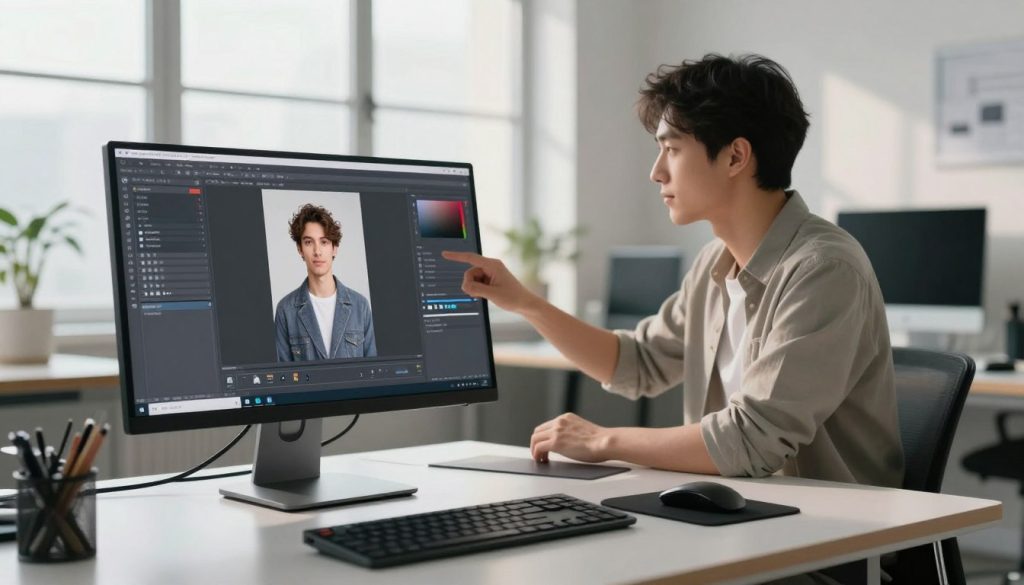
Choose images with lots of pixels and exceptional sharpness. Low-resolution images make it hard for the AI to see small details. A clear, high-resolution image helps the model get things right.
Stay away from images with bad compression or digital noise. These problems can mess up the AI’s work, making the final image look wrong. Clean, crisp source material is essential for great results.
Adjusting Contrast and Exposure Before Processing
Before you upload, make sure the lighting is right. If your image is too dark or too bright, the AI might get confused. Use editing software to adjust the contrast a bit. This helps the AI see shadows and highlights better.
Look at your histogram to check the exposure. Proper exposure helps the realistic ai nude generator work its magic. By fixing the lighting, your image will look lifelike and consistent.
Mastering Lighting Techniques for Lifelike NSFW AI
Lighting is key to turning a simple image into a stunning lifelike nsfw ai work. While AI does the basics, your touch with light makes it come alive. Learning to control light lets you craft a realistic ai nude that looks and feels real.
Simulating Natural Light Sources
To make scenes believable, you need to copy how light acts in real life. Soft, diffused light is best for people, as it softens harsh edges and adds a warm glow.
- Use directional light to suggest a window or a lamp source.
- Incorporate ambient light to fill in dark areas and prevent pure black voids.
- Adjust the color temperature to match the mood, such as warm golden hour tones or cool morning light.
“Light makes photography. Embrace light. Admire it. Love it. But above all, know light. Know it for all you are worth, and you will know the key to photography.”
Managing Shadows and Highlights for Depth
Shadows are crucial for showing body shape and adding depth. Without enough contrast, your lifelike nsfw ai will look flat. Focus on where light and shadow meet for a natural look.
Highlights are what catch the eye and highlight certain features. By placing them carefully, you can show off skin texture and muscle. This detail makes your realistic ai nude stand out in any collection.
Enhancing Skin Texture and Fine Detail
You can turn flat digital images into real-life portraits by focusing on skin details. To get a realistic ai nude, you need more than a good base image. You must pay attention to the tiny textures that make human skin look real.
Without these details, your work might look artificial and plastic. This can ruin the illusion of reality in your images.
Utilizing Upscaling Tools for Skin Pore Accuracy
Standard AI often loses important details when it upscales images. To fix this, use specialized upscaling software to bring back skin pores and fine lines. Tools like Topaz Gigapixel AI or similar enhancers are key for keeping your realistic ai nude sharp.
These tools sharpen your image and fill in missing texture. This way, your realistic ai nude stays true to life, even at high resolutions. This step is crucial for making your image look like a professional photo.
Applying Texture Overlays for Natural Imperfections
Perfect skin can look fake because it lacks real-life variations. Adding natural imperfections with texture overlays can help. Use software like Photoshop to add film grain or skin patterns.
These overlays add depth and make the skin look real. By mixing these textures lightly, you create a realistic ai nude that feels genuine. This final step is what makes your AI projects look truly cinematic and lifelike.
Prompt Engineering for AI DeepNude Realism
Creating a lifelike nsfw ai image starts with clear instructions. Knowing how to talk to your model lets you control the look of the final image. This way, you can avoid generic results and get professional-quality images by choosing your words carefully.
Crafting Descriptive Prompts for Skin Tones
To get realistic skin, give the AI specific details about light and texture. Instead of vague terms, talk about subsurface scattering and the lighting setting. Use phrases like “soft studio lighting” or “natural skin pores” to help the model create a more real image.
Being consistent in your descriptions helps the AI grasp the depth of the subject. When setting the skin tone, mention the exact color, like “golden hour warmth” or “cool daylight tones.” This ensures your lifelike nsfw ai project looks very realistic.
Using Negative Prompts to Eliminate AI Artifacts
Negative prompts are key because they tell the AI what to avoid. By listing unwanted features like “cartoonish” or “oversaturated,” you can remove common errors. This keeps the focus on the realistic features you’ve already defined.
These constraints help the model avoid noise and texture smearing that can ruin a good image. By excluding these artifacts, you improve the output until it meets your realism standards. Here’s a table showing how to balance your prompts for the best results.
| Prompt Category | Focus Area | Expected Outcome |
|---|---|---|
| Descriptive | Skin Texture | High-fidelity pores |
| Lighting | Shadow Depth | Cinematic contrast |
| Negative | Artifact Removal | Clean, lifelike nsfw ai |
| Stylistic | Color Grading | Natural skin tones |
Advanced Post-Processing Workflows
Even the most impressive lifelike nsfw ai outputs need a final touch to be perfect. Modern generators are powerful but often leave minor flaws. A structured post-processing workflow can turn your work into professional-grade art.
Color Grading for Cinematic Realism
Color grading adjusts the color palette to create a mood or atmosphere. Aim for a look that matches high-end photography or film. Use tools like Adobe Lightroom or DaVinci Resolve to apply Look-Up Tables (LUTs) for different tones.
“The difference between a good image and a great one often lies in the subtle balance of light and color that guides the viewer’s eye.”
Adjusting contrast and saturation makes your lifelike nsfw ai believable. Balance highlights and mid-tones for natural skin. This adds depth and dimension, missing in raw AI output.
Manual Retouching Techniques in External Software
After setting colors, fix any remaining flaws or oddities. Software like Photoshop or GIMP offers precision for manual retouching. Use the Clone Stamp or Healing Brush tools to correct skin textures or remove stray pixels.
This final polish is key for high-fidelity results. Whether fixing blur or refining edges, manual work ensures quality. The table below compares tools for these advanced workflows.
| Software | Primary Use | Skill Level | Best Feature |
|---|---|---|---|
| Adobe Photoshop | Advanced Retouching | Professional | Content-Aware Fill |
| Lightroom | Color Grading | Intermediate | Preset Management |
| GIMP | General Editing | Beginner | Open Source Access |
| DaVinci Resolve | Cinematic Grading | Advanced | Node-Based Workflow |
Combining manual techniques with lifelike nsfw ai ensures every detail is intentional. Practice with these tools to make your workflow second nature. This dedication to detail is what makes your work professional and photorealistic.
Troubleshooting Common AI Generation Artifacts
Even the most advanced AI tools sometimes create unexpected visual errors. These issues are common when using a realistic ai nude generator. But, most can be fixed with the right techniques. Learning these fixes helps keep your AI DeepNude realism high in quality.
Fixing Anatomical Inconsistencies
Anatomical errors can show up as distorted limbs or misplaced features. These problems usually happen when the model has trouble with complex poses or overlapping body parts. Using inpainting tools can help fix these issues by regenerating only the affected area.
If the AI has trouble with certain anatomy, try making your prompt more detailed. A clear reference image can also help the model create a more accurate structure. Consistency is key to ensure the final image looks natural and proportional.
Correcting Blurring and Texture Smearing
Blurring and texture smearing can happen when the resolution is too low or the denoising strength is off. These issues can spoil the AI DeepNude realism you’re aiming for. To fix this, use a secondary upscaling pass with a model that preserves skin texture.
External software can also help sharpen soft or muddy areas. A subtle high-pass filter in photo editing tools can restore detail without adding noise. Here’s a table that summarizes how to tackle these common problems.
| Artifact Type | Primary Cause | Recommended Fix |
|---|---|---|
| Anatomical Distortion | Complex Pose | Use Inpainting |
| Texture Smearing | Low Resolution | AI Upscaling |
| Blurry Features | High Denoising | Manual Sharpening |
| Color Banding | Compression | Add Grain Overlay |
Ethical Considerations and Platform Safety
When you use AI-generated images, safety and consent are key. Exploring AI DeepNude realism means sticking to ethical rules. This keeps your work safe and respected online.
Navigating Consent and Privacy Standards
Working with synthetic media means you must get informed consent. Never use someone’s image without their okay. Privacy is not just a rule; it’s a basic right online.
Check where your data comes from. Using someone’s photo without permission can cause big problems. Keeping ethics high makes the AI world safer for everyone.
Understanding Platform Terms of Service
Every AI tool has rules you must follow to keep your account safe. Knowing the Terms of Service (ToS) is crucial. Platforms ban non-consensual content, and breaking these rules can get you banned forever.
Keep up with platform changes to use AI DeepNude realism safely. If unsure, check the platform’s rules or support. Being proactive helps avoid sudden issues with your work.
| Practice Category | Recommended Action | Risk Level |
|---|---|---|
| Data Sourcing | Use public domain or licensed assets | Low |
| Consent Management | Obtain written permission for all subjects | Minimal |
| Platform Usage | Strict adherence to ToS guidelines | Low |
| Content Distribution | Private storage and restricted sharing | Moderate |
Conclusion
Creating photorealistic AI imagery is a mix of technical skill, artistic flair, and doing the right thing. Focus on lighting, skin textures, and details to reach top levels. This will make your work stand out.
Success in AI art comes from working together and setting clear goals. The Wilmot Warrior Weekend raised $74,748 for cancer research. Teams like Harter Secrest & Emery LLP gave over $14,000, showing how focused efforts pay off.
Use these lessons in your digital projects. Improve your workflow and keep your work high-quality. Also, know about safety and privacy to keep your work ethical.
Share your work with others to get feedback and grow. Your path to creating realistic AI art is a journey of learning and improvement. Keep exploring what you can do with your tools.
FAQ
How do neural networks contribute to achieving AI DeepNude realism?
A: Neural networks analyze huge datasets of human bodies and light. They learn how light affects skin. This lets them create AI DeepNude realism by understanding shadows, highlights, and skin textures.
They make a lifelike NSFW AI image, not just a simple filter.
Which platforms are best for generating a high-quality realistic AI nude?
Look for tools with upscaling and texture mapping for the best results. Midjourney is great for art, but AI DeepNude is best for photorealistic bodies. It keeps skin pores and body shapes natural.
Why is image preparation essential before using an AI generator?
Good results start with good input. Use high-resolution base photos and adjust contrast and exposure in Adobe Photoshop. This gives the AI DeepNude engine a clear map.
It helps the AI focus on the subject, making the output more lifelike NSFW AI and less artificial.
How can I master lighting to ensure my AI generations look authentic?
To get AI DeepNude realism that looks real, simulate natural light sources in your prompts. Use volumetric lighting or rim lighting to define the subject’s shape. Properly managing shadows prevents a flat look.
What techniques improve skin texture and fine detail in AI art?
To avoid a “plastic” look, use upscaling tools that focus on skin pore accuracy. Add texture overlays or 1-2% digital noise in post-processing. These small details make a big difference.
They turn a generic render into a lifelike NSFW AI masterpiece.
How do I write prompts that maximize AI DeepNude realism?
Write descriptive prompts that include skin tones, environmental details, and camera settings. Use negative prompts to avoid “deformed” or “cartoonish” traits. This keeps the realistic AI nude aesthetic.
Can manual retouching enhance the final AI-generated image?
Yes, manual retouching is key in advanced post-processing workflows. Use external software to color grade your image or fix minor anatomical inconsistencies. This step fine-tunes AI DeepNude realism to your liking.
How do I troubleshoot common artifacts like texture smearing?
A: Texture smearing and blurring happen when the AI lacks data. Use inpainting techniques to fix it or increase the resolution of your source image. Fixing these anatomical inconsistencies early keeps your realistic AI nude sharp and professional.
What should I know about the ethics and safety of using AI DeepNude?
When using AI DeepNude realism technologies, follow consent and privacy standards strictly. Always check the Terms of Service of the platform you use. Make sure you’re not creating non-consensual content. Using lifelike NSFW AI tools responsibly is crucial for the safety and integrity of the digital art community.